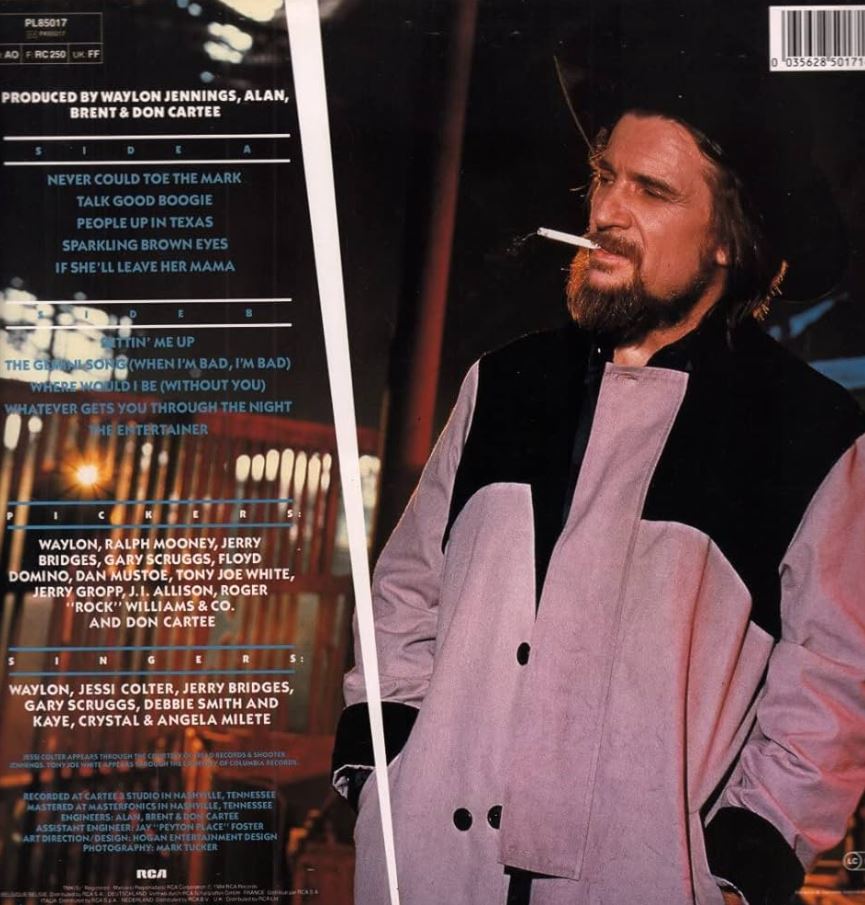
Waylon Jennings, an iconic figure in the outlaw country movement, released “Never Could Toe the Mark” in 1984, solidifying his reputation as a fearless voice in country music. This track, the title song from his album of the same name, represents a deeply personal reflection on Jennings’ life, artistic struggles, and defiance against societal and industry norms. In this article, we explore the song’s lyrical depth, musical composition, historical significance, and lasting impact in the context of country music and Waylon Jennings’ illustrious career.
The Essence of “Never Could Toe the Mark”
“Never Could Toe the Mark” is more than just a song; it is a statement of authenticity and rebellion. Through its lyrics, Jennings communicates a profound sense of individuality, refusing to conform to conventional expectations. The phrase “never could toe the mark” symbolizes a deliberate choice to live life on one’s terms, resisting the pressures of conformity. For Jennings, this song reflected not only his personal ethos but also the struggles of countless artists navigating the rigid structures of the music industry.
The lyrics resonate with themes of defiance, self-acceptance, and integrity, portraying a narrator who recognizes societal expectations yet refuses to compromise his identity. Lines like these exemplify Jennings’ talent for capturing universal truths about individuality and resilience, making the song relatable across generations of listeners.
Musical Composition and Arrangement
Musically, “Never Could Toe the Mark” showcases Jennings’ signature style, blending traditional country instrumentation with a raw, emotional edge. The track features steady acoustic guitar strumming, melodic bass lines, subtle percussion, and Jennings’ distinctively deep, gritty vocal delivery. This combination creates a sound that is at once reflective, heartfelt, and defiant, perfectly complementing the song’s lyrical themes.
The production retains a classic outlaw country atmosphere, emphasizing Jennings’ voice and narrative style. Rather than overproduced arrangements, the song relies on simplicity and authenticity, allowing the listener to connect with the story Jennings tells. The instrumental nuances, from acoustic guitar riffs to understated percussion, enrich the listening experience, making it a timeless example of 1980s country music excellence.
Video
Historical Context and Waylon Jennings’ Career
By the mid-1980s, Jennings had already established himself as a leading figure in the outlaw country movement, a genre defined by artists who challenged the commercial and stylistic norms of Nashville. “Never Could Toe the Mark” emerged during a period when Jennings was navigating both professional success and personal challenges, including battles with addiction and the pressures of fame.
The song, therefore, serves as a cultural and personal milestone, capturing Jennings’ philosophy of staying true to oneself regardless of external pressures. It aligns with other notable works like Are You Ready for the Country? and Honky Tonk Heroes, reinforcing his legacy as a trailblazer who redefined the boundaries of country music.
Reception and Legacy
Although “Never Could Toe the Mark” was not Jennings’ highest-charting hit, it remains highly regarded by fans and critics alike. Its raw honesty, compelling storytelling, and unapologetic authenticity resonate with listeners who value integrity over commercial appeal. The song continues to be celebrated for its lyrical sophistication, vocal performance, and emotional resonance, highlighting Jennings’ enduring influence on both country music and popular culture.
The live performances of the song further emphasize Jennings’ ability to connect with audiences. Notably, the official live music video recorded at the Tennessee Performing Arts Center in 1984 captures the charisma and commanding stage presence that defined his concerts, giving fans a firsthand experience of the energy and emotion behind his music.
Why “Never Could Toe the Mark” Matters Today
Decades after its release, “Never Could Toe the Mark” remains relevant, embodying the ethos of authenticity and resistance to conformity. Modern artists and fans continue to draw inspiration from Jennings’ willingness to challenge the status quo, creating a lasting impact on the evolution of country music. The song exemplifies the uncompromising spirit of the outlaw movement, inspiring listeners to embrace their individuality in a world that often demands conformity.
In addition, the track’s timeless arrangement and compelling narrative make it a must-listen for anyone seeking to understand the roots and evolution of outlaw country. Whether experienced through recorded tracks or live performances, the song serves as a powerful reminder of Jennings’ artistic courage and visionary approach.
Listen and Experience
To fully appreciate Waylon Jennings’ artistry, listening to “Never Could Toe the Mark” is essential. The track is available on popular streaming platforms, including Spotify, allowing both long-time fans and new listeners to immerse themselves in the rich textures, storytelling, and authentic spirit of Jennings’ music. The official live video further complements the experience, offering a glimpse into the dynamic energy that Jennings brought to the stage.
Conclusion
Waylon Jennings’ “Never Could Toe the Mark” is not merely a song—it is a manifesto of independence, resilience, and authenticity. Its rich musical composition, introspective lyrics, and historical significance solidify its status as an essential part of Jennings’ legacy and the broader outlaw country movement. As a testament to Jennings’ enduring influence, the track continues to resonate with listeners worldwide, proving that living true to oneself is a timeless and powerful message.