Introduction to Waylon Jennings’ Rendition of Let’s Turn Back the Years
Waylon Jennings, an iconic figure in the outlaw country movement, brought a unique depth and authenticity to every song he recorded. Among his most celebrated performances is “Let’s Turn Back the Years”, a song originally penned by Hank Williams in 1951. Jennings’ rendition captures the heart and soul of traditional country music while infusing it with his unmistakable vocal richness and emotional intensity. This track stands as a testament to Jennings’ ability to honor country music’s roots while leaving an indelible personal mark.
Historical Background of the Song
“Let’s Turn Back the Years” was first introduced to the world by Hank Williams, one of country music’s pioneering figures. Written during the early 1950s, the song reflects themes of love, nostalgia, and regret, making it a timeless classic that resonates across generations. The original recording was the B-side to Williams’ single “Half as Much” and quickly became a favorite among fans for its poignant lyricism and heartfelt delivery. Jennings’ decision to cover the song highlights his deep appreciation for classic country songwriting and his desire to preserve the emotional authenticity that defined Williams’ work.
Waylon Jennings’ Interpretation and Vocal Mastery
Jennings’ interpretation of “Let’s Turn Back the Years” is distinguished by his warm baritone voice, deliberate phrasing, and dynamic emotional expression. Unlike the polished production typical of Nashville during the 1970s, Jennings’ version embraced a more raw and organic sound, allowing listeners to experience the song with an immediacy and intimacy rarely captured in studio recordings. Every note and inflection communicates the longing and introspection central to the song’s narrative, demonstrating Jennings’ unparalleled ability to connect with his audience on a deeply personal level.
Inclusion in the Album Dreaming My Dreams
Waylon Jennings included his version of “Let’s Turn Back the Years” on his 1975 album Dreaming My Dreams. This album marked a pivotal moment in Jennings’ career, solidifying his role in the outlaw country movement alongside peers like Willie Nelson and Kris Kristofferson. Dreaming My Dreams is widely regarded as a masterclass in country storytelling, blending introspective ballads, heartfelt lyrics, and innovative arrangements. Jennings’ performance of “Let’s Turn Back the Years” stands out as a highlight track, showcasing his ability to convey both vulnerability and strength through song.
Video
Live Performances and Enduring Popularity
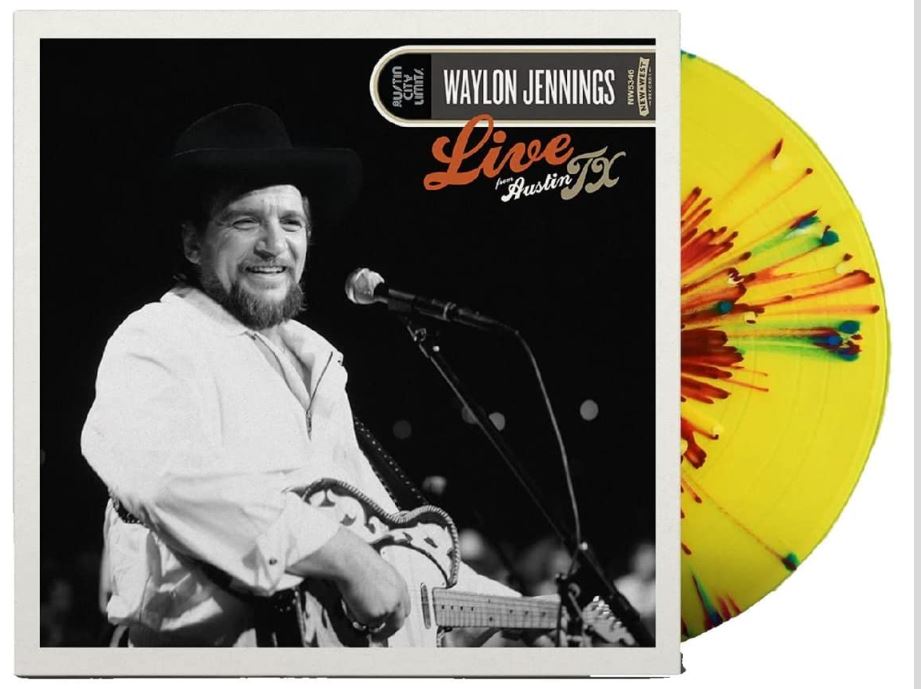
Jennings’ live performances of “Let’s Turn Back the Years” further cemented its reputation as a fan favorite. Particularly notable is the rendition featured on the 1984 live album Live from Austin, TX, where Jennings’ emotive delivery and audience rapport brought new layers of meaning to the track. His ability to command the stage while maintaining intimacy in performance demonstrates why this song remains an enduring part of his legacy. Fans continue to celebrate Jennings’ live interpretations, praising the way he transforms each performance into a powerful storytelling experience.
Streaming Availability and Legacy
Today, Jennings’ rendition of “Let’s Turn Back the Years” is readily available across major streaming platforms such as Spotify, Apple Music, and YouTube. This accessibility allows both longtime fans and new listeners to experience the timeless artistry of Waylon Jennings. The song’s enduring appeal lies not only in its lyrical content but also in Jennings’ ability to channel emotion and authenticity in every phrase. By bridging classic country sensibilities with his outlaw spirit, Jennings ensures that “Let’s Turn Back the Years” continues to resonate with audiences worldwide.
Cultural Impact and Influence on Country Music
Waylon Jennings’ version of “Let’s Turn Back the Years” exemplifies the cultural significance of outlaw country. It underscores the movement’s dedication to artistic freedom, emotional honesty, and musical integrity. Jennings’ interpretation influenced countless contemporary artists, encouraging them to embrace raw, unfiltered expression and storytelling in their own music. The song’s narrative of reflection and yearning mirrors universal human experiences, ensuring its relevance across decades. It serves as a benchmark for vocal excellence, emotional depth, and musical authenticity in country music history.
Conclusion: A Timeless Masterpiece
“Let’s Turn Back the Years” remains an essential piece of Waylon Jennings’ repertoire, demonstrating his ability to transform classic compositions into personal statements of artistry. From its roots in Hank Williams’ original writing to Jennings’ evocative interpretation on Dreaming My Dreams, the song embodies the essence of country music: heartfelt storytelling, emotional resonance, and timeless melody. As listeners continue to discover and revisit Jennings’ work, “Let’s Turn Back the Years” stands as a shining example of how a song can transcend time, generations, and musical trends, cementing its place in the pantheon of country music classics.