The Story Behind ‘Delta Dawn’
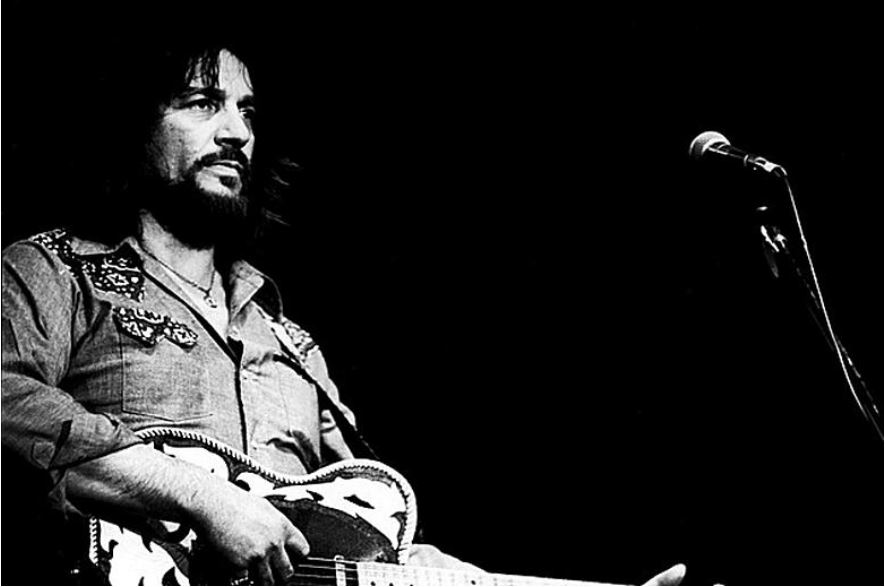
Few songs in the country music canon hold the same haunting allure as “Delta Dawn.” Written by Larry Collins and Alex Harvey, the song tells the heartbreaking tale of a once-beautiful Southern woman who roams her town in a faded dress, clutching a suitcase, and clinging to the memory of a long-gone love. While many artists have recorded this classic—Tanya Tucker, Bette Midler, and Helen Reddy among them—Waylon Jennings’ rendition remains one of the most compelling and understated performances ever captured.
Released in 1972 on Jennings’ album Ladies Love Outlaws, his version strips the track down to its essence, delivering a performance steeped in empathy and raw authenticity. Rather than leaning on theatrics, Jennings allows the lyrics to breathe, presenting “Delta Dawn” as a portrait of faded beauty, isolation, and Southern gothic tragedy.
Waylon Jennings and the Outlaw Movement
To understand the significance of Jennings’ take on “Delta Dawn,” we must place it in the context of his career. By the early 1970s, Jennings had grown weary of the rigid structures of Nashville’s recording system, where producers often dictated arrangements and stripped artists of creative control. Jennings rebelled against this formula, becoming a pioneer of the Outlaw Country movement, alongside Willie Nelson, Kris Kristofferson, and Johnny Cash.
In this environment of artistic independence, Jennings recorded “Delta Dawn” with the freedom to interpret it his way. His rendition reflects the Outlaw ethos—minimalist, unpolished, and emotionally direct. Unlike the lush orchestrations of Nashville ballads, Jennings kept his version spare, allowing the weight of the words and the texture of his baritone voice to carry the story.
Video
A Voice That Speaks More Than It Sings
Jennings’ voice was not just an instrument—it was a storytelling device. On “Delta Dawn,” he sings with a near-spoken cadence, refusing to embellish the lyrics with dramatic flair. This restrained delivery is what makes his interpretation unforgettable. Where other performers belt out the chorus, Jennings remains steady, almost weary, as though he himself is narrating the life of a woman he once knew.
The baritone timbre in his voice creates an aura of compassion rather than judgment. Instead of mocking Delta Dawn’s eccentricities, Jennings paints her as a victim of time and circumstance—a woman who has become the subject of whispers in a small town but retains her dignity through memory and ritual. This nuance sets his version apart from others, grounding the song in human truth.
Musical Arrangement: Less Is More
The arrangement of Jennings’ “Delta Dawn” epitomizes his Outlaw spirit. Rather than overwhelming the listener with orchestral swells, the track features a steady rhythm guitar, subtle percussion, and the mournful cry of a fiddle in the background. This stripped-down approach creates an intimate atmosphere, as though Jennings were performing the song in a dimly lit barroom rather than a glossy Nashville studio.
The sparseness of the production leaves no room for distraction. Every note, every pause, every breath serves to underscore the loneliness of Delta Dawn’s existence. By holding back rather than building to a dramatic crescendo, Jennings achieves something remarkable: he forces the listener to confront the sadness without the comfort of grandeur.
Comparisons With Other Versions
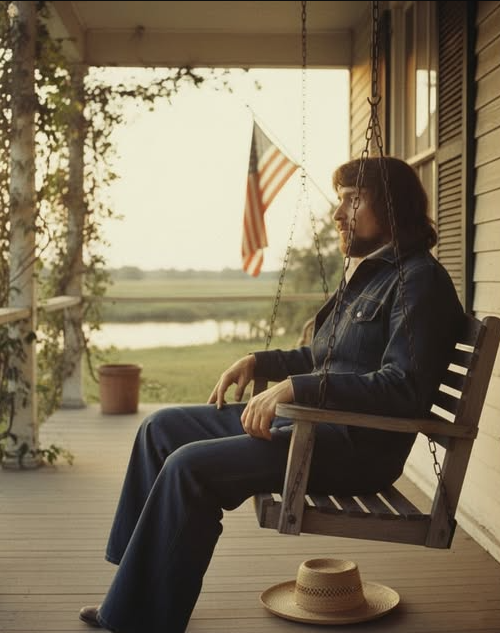
It is impossible to discuss Jennings’ “Delta Dawn” without considering how it contrasts with other iconic versions. Tanya Tucker’s breakthrough recording in 1972 brought youthful energy to the song, a paradoxical contrast given its theme of aging and faded beauty. Bette Midler’s version leaned into theatricality, delivering power and passion, while Helen Reddy’s hit rendition smoothed it into polished pop, transforming the tragic tale into a radio-friendly anthem.
Jennings, however, resisted spectacle. His rendition lacks the soaring notes or dramatic instrumentation, but what it offers instead is sincerity and quiet devastation. His approach is less about performance and more about bearing witness to the story of a woman whose community has abandoned her.
The Enduring Legacy of Jennings’ ‘Delta Dawn’
Though Jennings’ version did not achieve the commercial success of Reddy’s or Tucker’s, its legacy within country music history remains undeniable. It represents a turning point in Jennings’ artistry, where he fully embraced his independence and authenticity. For fans and critics alike, his rendition of “Delta Dawn” exemplifies why Jennings is celebrated not only as a singer but as a truth-teller in song.
The track also reminds us of the power of restraint. In a genre often defined by big voices and dramatic storytelling, Jennings proved that sometimes the most effective delivery is the one that feels most human, vulnerable, and understated.
Why Jennings’ Version Still Resonates Today
In today’s musical landscape, where production often overshadows storytelling, Jennings’ “Delta Dawn” feels more relevant than ever. It stands as a lesson in how simplicity and honesty can outshine excess. The song resonates with listeners who value authenticity over polish, and it continues to attract new generations exploring the roots of Outlaw Country.
Listening to Jennings’ version today is like stepping back into a time when country music wasn’t afraid to be rough around the edges, when emotion mattered more than perfection. His “Delta Dawn” endures not because it was the loudest or most glamorous version, but because it was the truest.
Conclusion
Waylon Jennings’ rendition of “Delta Dawn” remains a cornerstone in the tapestry of American country music. With his baritone voice, minimalist arrangement, and empathetic storytelling, he transformed a song of small-town whispers into a timeless portrait of human fragility. While other versions soared up the charts, Jennings’ interpretation quietly embedded itself into the soul of the genre, standing as proof that authenticity never fades.
For those seeking the heart of Outlaw Country and the artistry of Waylon Jennings, “Delta Dawn” is not just a track—it is a testament to the enduring power of music that dares to be raw, honest, and profoundly human.