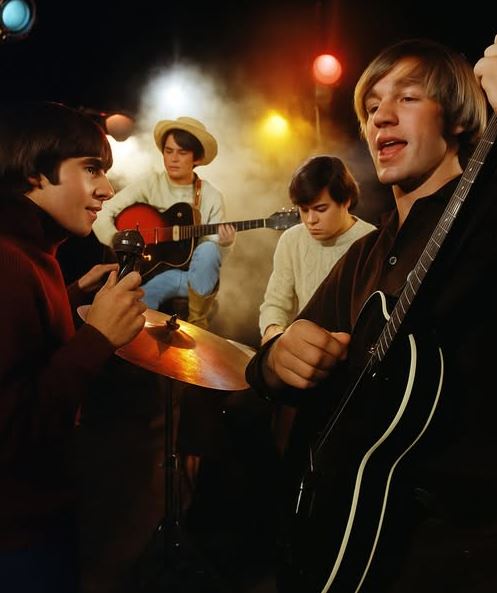
The Monkees, one of the most influential pop-rock bands of the 1960s, cemented their musical legacy with tracks that transcended the manufactured image initially assigned to them. Among these, “Listen to the Band” stands out as a transformative piece, symbolizing the group’s evolution from a television-created ensemble to authentic musicians with creative independence. Released in 1969, this track marked a significant turning point, showcasing the band’s growing artistic control and musical sophistication.
A Milestone in The Monkees’ Musical Journey
“Listen to the Band” is not merely a song; it is a statement of artistic authenticity. While The Monkees were originally formed for television, this track represents their deliberate move toward genuine musicianship. Unlike earlier hits that relied heavily on session musicians, this song featured the band members playing their own instruments, demonstrating technical skill, cohesion, and a commitment to artistic integrity. The recording sessions reflected a mature approach to composition, arranging, and performance that separated this phase of their work from their earlier, more commercially driven productions.
The song was part of the late-1960s movement of bands asserting creative control over their material. By embracing this self-contained style, The Monkees positioned themselves not just as entertainers but as credible contributors to the evolving landscape of rock and pop. In many ways, “Listen to the Band” is both a reflection of and a response to the cultural emphasis on authenticity that dominated the music scene during this period.
Video
Musical Composition and Genre Fusion
One of the most striking aspects of “Listen to the Band” is its genre-blending composition. The track seamlessly integrates elements of Americana, country rock, and baroque pop, creating a rich sonic tapestry that appeals to a wide audience. The arrangement features layered harmonies, intricate instrumental passages, and a melodic structure that is both sophisticated and accessible.
The song’s instrumentation is notable for its use of real, live instruments rather than relying solely on studio effects or external session musicians. Guitars, drums, keyboards, and subtle orchestral embellishments come together to form a soundscape that is polished yet organic. The melodic interplay and harmonic richness reflect the band’s growing confidence and musical vision, establishing a template for their subsequent work and influencing other pop-rock artists of the era.
Lyrical Themes and Symbolic Message
The central refrain, “Listen to the band,” carries a dual significance. On the surface, it is an invitation to engage with the music. On a deeper level, it symbolizes the band’s assertion of independence and creative identity. The lyrics suggest a plea for recognition, urging listeners to look beyond the television persona and appreciate the authentic musicianship and emotional depth that the group had cultivated.
This thematic focus aligns with the broader cultural context of the late 1960s, when audiences increasingly valued artistic sincerity over commercial packaging. By embedding this message within a catchy, melodically engaging song, The Monkees managed to deliver both entertainment and artistic commentary, a balance that few manufactured pop acts achieved.
Historical Context and Recording Significance
The release of “Listen to the Band” coincided with a period of significant change in the music industry. Bands were asserting more control over their recordings, album artwork, and public image. For The Monkees, this track was a pivotal moment, demonstrating that they could operate successfully as a self-contained band. It was one of the first songs in which they played all the instruments themselves, a milestone that reflected both their skill and determination to be taken seriously in the rock music domain.
Although the song was not a chart-topping single, it became a fan favorite and critical touchstone over time. Its influence persists in retrospectives on 1960s pop-rock, often cited as an example of how bands could transcend their commercial beginnings to achieve artistic legitimacy.
Legacy and Enduring Appeal
Decades after its release, “Listen to the Band” continues to resonate with fans and music historians alike. Its fusion of genres, intricate musicality, and reflective lyrics make it a must-listen track for anyone exploring The Monkees’ catalog. The song encapsulates the essence of the band’s transformation, bridging their early television fame with enduring musical credibility.
Moreover, the track serves as an educational reference point for understanding the late-1960s pop-rock scene. It exemplifies how musicians could assert control over their work while still producing commercially viable music that appealed to mainstream audiences. The enduring quality of the song lies in its timeless melody, sophisticated arrangement, and the authenticity it communicates, inviting listeners to appreciate not only the band’s talent but also their evolution as artists.
Conclusion: A Defining Track in Pop-Rock History
“Listen to the Band” is far more than a nostalgic throwback; it is a definitive statement of The Monkees’ artistic identity. Its combination of heartfelt lyrics, polished instrumentation, and innovative genre fusion makes it a cornerstone of their discography. For collectors, music enthusiasts, and historians, the track offers insight into a band that successfully navigated the transition from television pop icons to respected musicians.
We encourage all listeners to experience “Listen to the Band” firsthand, to hear the intricate harmonies, the meticulous instrumentation, and the genuine passion that The Monkees brought to their craft. It remains a classic hit, an iconic tune, and an essential listen for anyone seeking to understand the evolution of 1960s pop-rock and the enduring legacy of one of the era’s most fascinating bands.