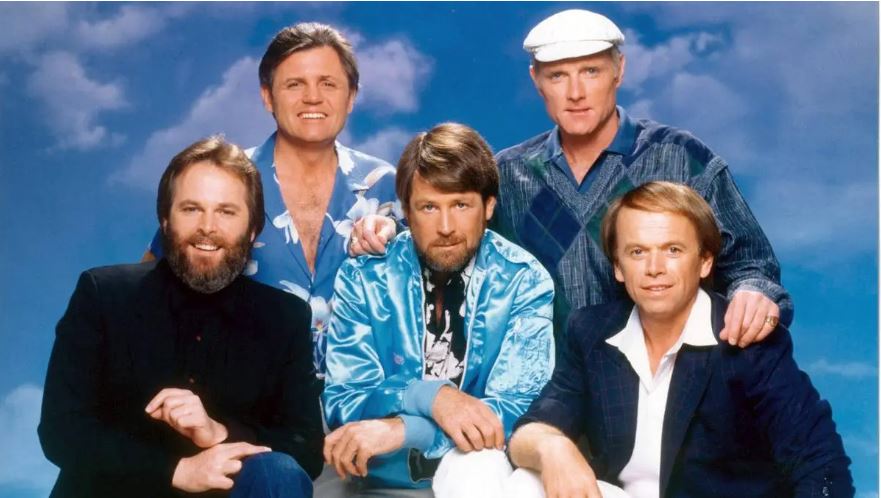
The song “Kokomo” by The Beach Boys is one of the most iconic hits of the late 1980s, reviving the band’s mainstream success and cementing their reputation as masters of breezy, escapist pop music. Released in 1988, this tropical-themed anthem not only climbed the top of the charts but also left a lasting imprint on popular culture, travel imagery, and the timeless appeal of carefree summer days.
The Origins of “Kokomo”
“Kokomo” was written by a collaboration of Mike Love, Terry Melcher, John Phillips, and Scott McKenzie. The Beach Boys, known for their sun-soaked harmonies and surf-inspired rock from the 1960s, had experienced decades of fluctuating popularity. By the late 1980s, their music was mostly celebrated as nostalgic, but “Kokomo” provided an unexpected resurgence.
The track was commissioned for the soundtrack of the film Cocktail (1988), starring Tom Cruise. The producers wanted a song that evoked the idea of paradise, romance, and tropical escape. The team delivered a composition that immediately captured the imagination of listeners around the globe.
Chart-Topping Success
Upon release, “Kokomo” quickly climbed the Billboard Hot 100 and reached No.1 in the United States, marking the band’s first number-one single since 1966’s “Good Vibrations.” The achievement was monumental: it bridged a 22-year gap between chart-topping singles, a feat almost unheard of in the music industry.
The single also reached No.1 in Australia and charted highly across Europe, proving that its universal message of tropical relaxation resonated far beyond American audiences. It became a radio staple and an enduring summer anthem.
The Musical Composition
Musically, “Kokomo” is crafted around lush vocal harmonies, a hallmark of The Beach Boys’ signature style. The arrangement leans into soft rock and pop rather than the surf rock of their early years. The instrumentation blends acoustic guitar, steel drums, light percussion, and warm keyboards, creating a tropical soundscape.
The melody is easy to follow and instantly memorable, while the layered harmonies elevate the song into a soothing and transportive listening experience. Its tempo mirrors the laid-back pace of a beachside holiday, making it the perfect soundtrack for both vacations and daydreams.
Video
Lyrics That Evoke Paradise
The lyrics of “Kokomo” paint a vivid picture of a tropical utopia, listing destinations such as Aruba, Jamaica, Bermuda, Martinique, Montego Bay, and Key Largo. These references create a sense of wanderlust and desire for exotic travel. The chorus, “Aruba, Jamaica, ooh I wanna take ya,” instantly pulls the listener into a dream of white sands and turquoise waters.
What makes the song distinctive is not just the list of locations, but the promise of escape, romance, and serenity. It speaks to the universal longing for a place far removed from the pressures of daily life.
Impact on Popular Culture
“Kokomo” is more than just a song—it became a cultural phenomenon. Its appearance in Cocktail introduced it to millions of moviegoers, while the music video, filmed in the Florida Keys, brought its imagery to life. The video showed the band performing on a beachside stage, reinforcing the carefree tropical fantasy the song embodied.
Tourism boards, resorts, and travel agencies soon recognized the promotional power of the song. Many destinations mentioned in the lyrics experienced increased visibility thanks to its popularity. Even today, “Kokomo” is often used in advertisements and media to conjure feelings of relaxation and beach vacations.
The Beach Boys’ Resurgence
The success of “Kokomo” reaffirmed The Beach Boys’ relevance in modern music during the 1980s. For a band that had defined a generation with hits like “Surfin’ USA,” “California Girls,” and “Good Vibrations,” achieving a new number-one single decades later was a rare and remarkable accomplishment.
It also introduced their music to younger listeners who may not have been familiar with their earlier catalog. For many fans born in the 1970s and 1980s, “Kokomo” became the gateway to discovering the broader Beach Boys discography.
Critical Reception
While audiences adored “Kokomo,” critics were divided. Some praised its catchy melody and nostalgic charm, while others dismissed it as lightweight compared to the group’s more ambitious works from the 1960s. Despite this, the public embraced the song wholeheartedly, and its longevity in popular culture has outlasted much of the criticism.
The song’s commercial triumph spoke louder than its detractors, proving that the ability to capture a mood and connect emotionally with listeners is a hallmark of great songwriting.
Legacy of “Kokomo”
Decades after its release, “Kokomo” remains one of the most recognizable songs associated with The Beach Boys. Its message of tropical escape continues to resonate in an era where travel and relaxation are more sought after than ever.
It also holds a unique place in music history as the last major hit for the group, highlighting their enduring talent for crafting universally appealing music. Concert performances of “Kokomo” remain crowd favorites, with audiences singing along to every word.
Conclusion: A Timeless Anthem of Escape
“Kokomo” stands as a testament to The Beach Boys’ ability to adapt and stay relevant across generations. The combination of evocative lyrics, soothing melodies, and tropical imagery ensures that the song will continue to transport listeners to a paradise of sun, sand, and serenity.
From its origins in the late 1980s to its place in modern playlists, “Kokomo” remains one of the greatest summer anthems ever recorded, reminding us all of the universal dream of escape and the enduring magic of The Beach Boys.