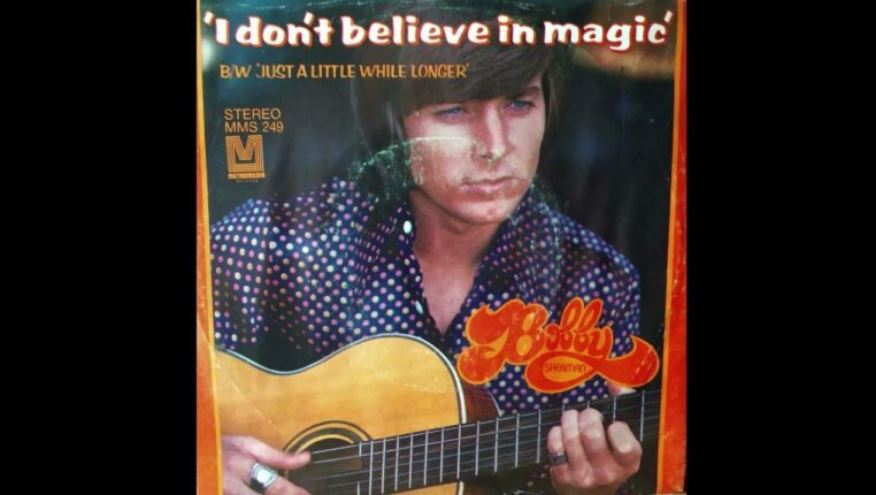
Introduction to Bobby Sherman and His Musical Legacy
Bobby Sherman, a prominent figure in the early 1970s pop landscape, cemented his status as a teen idol with a string of chart-topping hits and television appearances. Known for his innocent charm, romantic ballads, and catchy pop tunes, Sherman captivated audiences across the United States during the height of his career. By 1972, however, the music industry had evolved, challenging the era’s teen idols to adapt or fade into obscurity. It was in this context that Sherman released “I Don’t Believe in Magic”, a song that represented both a strategic pivot in his musical direction and a reflection of the changing tastes of his audience.
Song Overview: “I Don’t Believe in Magic”
“I Don’t Believe in Magic” was released in 1972 under Metromedia Records, a label intent on extending Sherman’s commercial viability. Penned by Gary Zekley, a songwriter known for his ability to craft heartfelt pop melodies, and produced by Ward Sylvester, the track marked a mature evolution in Sherman’s sound. Departing from his previous upbeat and energetic love songs, the song embraced a soft pop ballad style, featuring acoustic guitars, subtle orchestration, and introspective lyrics. Its themes of skepticism toward the notion of romantic magic resonated deeply with listeners experiencing the shift from teenage infatuation to adult romantic realism.
Lyrical Depth and Themes
The lyrics of “I Don’t Believe in Magic” explore the fragility of love and the disillusionment with idealized romance. Sherman’s vocal delivery conveys both vulnerability and sincerity, allowing listeners to engage with the song on a personal and emotional level. Lines questioning the permanence and authenticity of love reflected not only universal human experiences but also mirrored Sherman’s own personal reflections at the age of 29, navigating the challenges of fame, career transitions, and personal life changes. The song’s contemplative nature diverged from Sherman’s earlier works, highlighting his artistic versatility and commitment to authentic expression.
Video
Musical Composition and Arrangement
Musically, the track blends soft pop elements with light orchestration, providing a subtle, atmospheric backdrop for Sherman’s emotive performance. The use of acoustic guitar strumming patterns, delicate percussion, and gentle string arrangements creates an intimate ambiance that complements the introspective lyrics. The song’s moderate tempo and melodic phrasing evoke a sense of reflective melancholy, while Sherman’s nuanced vocal inflections convey a mature emotional depth absent in his earlier bubblegum pop hits. This sophisticated arrangement demonstrated Sherman’s ability to adapt to the evolving musical landscape of the early 1970s while retaining his signature charm.
Context and Career Significance
By 1972, Bobby Sherman faced the waning of his commercial success, with previous singles such as “Jennifer” and “Together Again” failing to replicate the popularity of his mid-1960s hits. The rise of rock bands, disco influences, and singer-songwriter genres posed significant challenges for artists associated with teen idol fame. In this climate, Metromedia Records strategically positioned “I Don’t Believe in Magic” to appeal to a more mature, adult contemporary audience. The song served as a bridge between Sherman’s teen idol image and his evolution as a sophisticated pop artist, demonstrating both commercial savvy and artistic growth.
Album Inclusion: Just for You
“I Don’t Believe in Magic” was included on Sherman’s 1972 album Just for You, a collection showcasing his range as an artist. The album featured a blend of pop and soft rock tracks, emphasizing both lyrical introspection and melodic accessibility. Despite modest chart performance, the album reinforced Sherman’s commitment to musical evolution, highlighting his ability to interpret songs with emotional authenticity and connect with listeners across age demographics. The album remains a notable example of early 1970s pop adaptation, reflecting broader industry trends while retaining the distinct Bobby Sherman sound.
Cultural and Personal Reflection
The release of “I Don’t Believe in Magic” coincided with a period of personal and professional transition for Sherman. At 29, he was navigating the end of his sitcom Getting Together, the pressures of sustaining a music career, and the challenges of personal life. The song’s lyrical skepticism toward romantic ideals mirrored Sherman’s own reflections on fleeting fame and relationships, creating an authentic resonance with fans experiencing similar emotional journeys. Through his expressive vocal performance, Sherman communicated both hope and disillusionment, enhancing the song’s timeless appeal.
Legacy and Availability
Today, “I Don’t Believe in Magic” remains an important part of Bobby Sherman’s musical legacy, illustrating his artistic adaptability and emotional depth. The song is accessible on platforms such as Spotify and Apple Music, allowing contemporary audiences to explore Sherman’s work and experience the reflective charm that defined his 1972 sound. Its enduring themes of love, disillusionment, and emotional sincerity continue to resonate, confirming Bobby Sherman’s position as a versatile and enduring figure in pop music history.