The Last Time Country Ruled the Super Bowl Stage
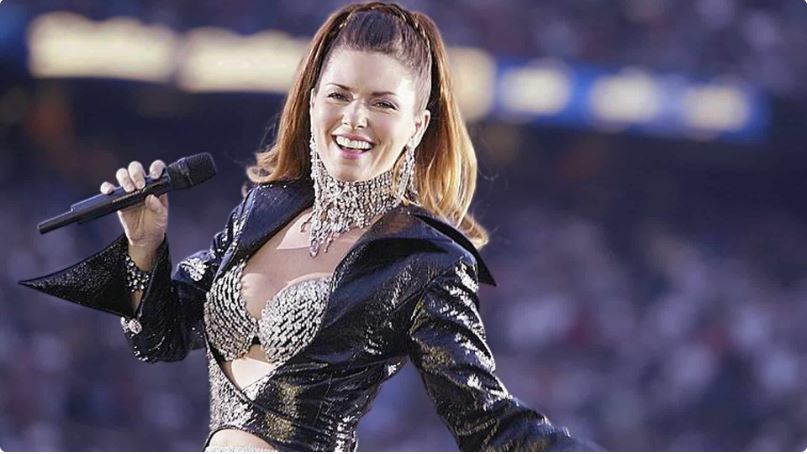
It has been 22 years since Shania Twain graced the Super Bowl halftime stage during Super Bowl XXXVII in 2003. Twain’s performance remains a defining moment in the intersection of country music and mainstream American culture. Alongside No Doubt and Sting, she brought a unique blend of country flair and pop energy, captivating millions of viewers worldwide. Despite her stellar performance, country music has remained absent from the Super Bowl halftime show, creating a void that continues to puzzle fans and critics alike.
The NFL’s Shift Towards Global Appeal
The National Football League (NFL) has increasingly prioritized artists with massive international streaming numbers and global appeal for its halftime shows. This strategic shift has inadvertently sidelined country music, a genre that, while dominant in the United States, has a more localized fanbase compared to global pop sensations. The NFL’s focus on attracting a worldwide audience of hundreds of millions has led to a preference for performers with crossover appeal in multiple markets, leaving country artists largely overlooked.
The Spectacle-Driven Nature of Modern Halftime Shows
Modern Super Bowl halftime shows have evolved into elaborate spectacles featuring pyrotechnics, choreography, and multimedia effects. While these productions captivate audiences, they present challenges for country music performances, which traditionally emphasize storytelling, musicianship, and vocal authenticity over visual extravagance. The nuanced simplicity of country music often contrasts sharply with the high-octane spectacle expected at the Super Bowl, contributing to the genre’s continued exclusion.
The Dominance of Country Music in U.S. Charts
Despite its absence from halftime shows, country music continues to dominate American music charts. Artists like Morgan Wallen, Zach Bryan, Lainey Wilson, and Chris Stapleton are experiencing unprecedented commercial success, drawing massive audiences to concerts, streaming platforms, and country radio. This resurgence highlights a significant disconnect between the NFL’s entertainment strategy and the continued cultural relevance of country music in the United States.
Iconic Performances That Shaped a Genre
Shania Twain’s 2003 performance showcased the genre’s ability to blend pop sensibilities with traditional country roots. Her wardrobe, choreography, and song selection demonstrated that country artists could deliver a mainstream, highly visual performance while maintaining the authenticity that defines the genre. Yet, this moment remains an outlier, with country artists largely absent from the Super Bowl stage since then, underscoring the NFL’s hesitancy to revisit a formula that, while successful, does not conform to contemporary halftime trends.
Video
The Argument for Country’s Return
The growing influence of country music, both digitally and culturally, presents a compelling case for its return to the Super Bowl stage. Fans argue that including country acts would diversify the halftime experience, showcasing a genre that represents a significant portion of American music consumption. Moreover, country music’s storytelling tradition and strong fan engagement could inject authenticity and emotional resonance into the halftime show, offering a refreshing counterbalance to spectacle-driven performances.
Potential Candidates to Break the Drought
Several modern country stars have the charisma, performance ability, and fanbase to lead the genre back to the Super Bowl. Morgan Wallen continues to break streaming records, while Zach Bryan captivates audiences with his raw, heartfelt lyrics. Lainey Wilson brings a unique blend of modern country and southern rock, and Chris Stapleton delivers vocal power and instrumental mastery that can rival any mainstream act. Each of these artists represents a new generation of country performers capable of bridging the gap between traditional roots and mainstream appeal.
Cultural and Commercial Implications
Bringing country music back to the Super Bowl would not only honor the genre’s significance in American music history but also potentially expand the NFL’s reach domestically. Country music fans are highly engaged consumers, attending concerts, purchasing albums, and streaming music extensively. Integrating country acts into halftime shows could therefore increase domestic viewership and engagement, creating a win-win scenario for both the NFL and the genre.
Conclusion: The Unfinished Story of Country at the Super Bowl
The 22-year drought since Shania Twain’s iconic performance reflects both the NFL’s global marketing priorities and the challenges of aligning country music with spectacle-driven halftime expectations. However, the genre’s continued dominance in the U.S., coupled with the emergence of talented and commercially successful artists, underscores a growing argument for country music’s return. As we look forward to future Super Bowl seasons, the question remains: how long will the NFL continue to overlook the cultural and commercial power of country music? The stage is set for a new era, where country could once again shine in one of the world’s most-watched live performances.