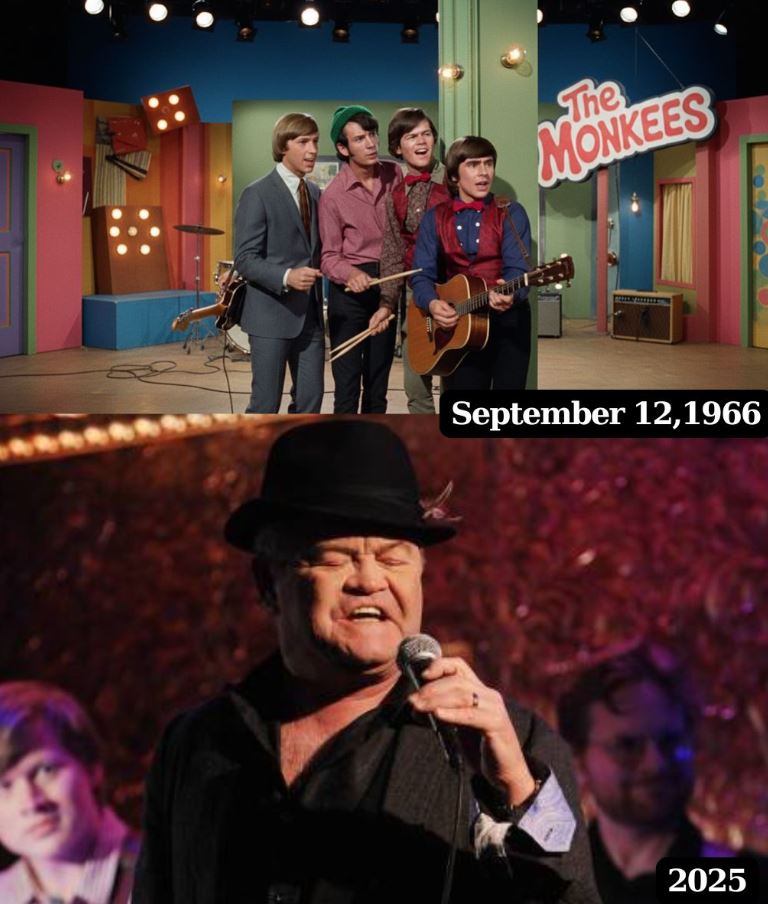
The Historic NBC Debut of The Monkees
On September 12, 1966, American television witnessed an extraordinary cultural moment as The Monkees first burst onto NBC screens, introducing the world to a unique blend of music, humor, and youthful charm. Conceived as a television project that would combine situational comedy with catchy pop music, The Monkees were initially four young performers—Micky Dolenz, Davy Jones, Michael Nesmith, and Peter Tork—selected to portray a fictional band. None of the creators or performers anticipated the phenomenal success that would follow. From the very first episode, audiences were captivated by the group’s vibrant energy, playful antics, and instantly memorable music, which quickly elevated them from TV stars to global icons.
Musical Innovation and Chart-Topping Success
The Monkees revolutionized the pop-rock landscape of the 1960s with their signature sound, blending rock, folk, and pop sensibilities. Their debut single, “Last Train to Clarksville,” became an instant hit, reaching No. 1 on the Billboard Hot 100. Their eponymous debut album, The Monkees (1966), showcased not only the performers’ charisma but also the craftsmanship of renowned producers and songwriters like Tommy Boyce and Bobby Hart. Subsequent albums such as More of The Monkees (1967) and Headquarters (1967) solidified their reputation as one of the era’s most innovative pop acts, combining tightly produced tracks with experimental studio techniques. Michael Nesmith’s country-rock influences and Peter Tork’s multi-instrumental skills brought musical diversity that broadened their audience appeal, making The Monkees more than just a television phenomenon—they were a bona fide recording powerhouse.
Video
Cultural Impact and Television Legacy
The Monkees’ television series was groundbreaking in its narrative style and integration of music videos within episodic storytelling. The show introduced rapid editing, surreal humor, and experimental camera work that inspired future generations of music television, including MTV and modern music video formats. Beyond the technical innovation, The Monkees represented a youthful, aspirational vision of the 1960s, capturing the imagination of millions of teenagers worldwide. Episodes were filled with zany plots, comedic timing, and catchy musical interludes, which resonated deeply with audiences and earned critical acclaim for bridging the gap between pop culture and television artistry.
Enduring Influence and Reunion Tours
Even decades after their debut, The Monkees continue to exert a profound influence on both music and popular culture. Their songs remain staples of classic rock and pop playlists, with timeless hits like “I’m a Believer,” “Daydream Believer,” and “Pleasant Valley Sunday”. The group’s ability to reinvent themselves through reunion tours, special releases, and remastered albums has allowed both longtime fans and new generations to experience the magic firsthand. Tribute acts, documentaries, and biographical retrospectives ensure that The Monkees’ story is perpetually celebrated, emphasizing the enduring legacy of creativity, entertainment, and innovation that the group embodies.
Conclusion: The Monkees’ Timeless Legacy
As we reflect on 59 years since The Monkees’ NBC debut, it is clear that their impact transcends television and music charts. From the initial burst of youthful exuberance to decades of chart-topping music and cultural influence, The Monkees remain a symbol of innovation, creativity, and timeless entertainment. Their pioneering approach to combining television and music not only redefined the pop landscape of the 1960s but also set a lasting precedent for multimedia artistry in the decades that followed. Today, The Monkees’ contributions continue to resonate, reminding the world that four kids with guitars and tambourines could change the trajectory of popular music and television forever.