The Emotional Core of ‘Mona’
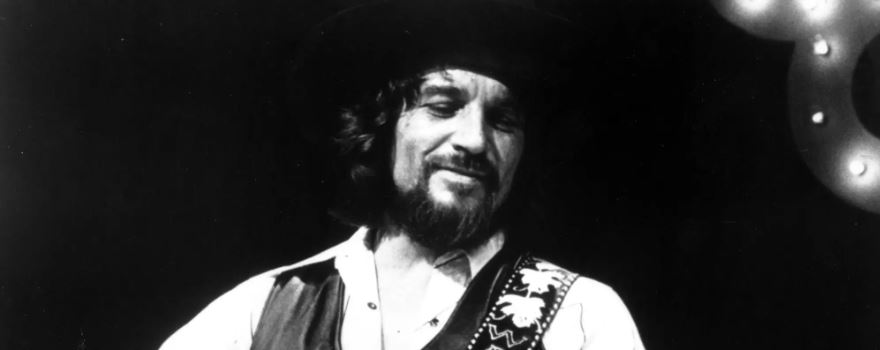
Waylon Jennings’ 1973 track “Mona”, featured on his 1974 album This Time, exemplifies the rare moments where the legendary outlaw country icon allows vulnerability to shine through his music. Unlike the rebellious, rugged persona he often portrayed, “Mona” reveals a tender, introspective side that resonates deeply with listeners. Penned by his wife, Jessi Colter, the song reflects an intimate, heartfelt perspective on love and devotion, offering fans a glimpse into the personal world of one of country music’s most influential figures.
Minimalist Arrangement Enhancing Emotional Impact
The song’s arrangement is deliberately sparse, focusing on acoustic guitar and subtle instrumentation that places Jennings’ warm, expressive vocals at the forefront. This minimalist approach creates an atmosphere of intimacy, allowing each lyric to breathe and reach the listener without distraction. The careful restraint in instrumentation amplifies the song’s emotional weight, making every note feel deliberate and every pause a moment of reflection. This understated composition is a testament to Jennings’ artistry, proving that true musical depth often lies in simplicity.
Jessi Colter’s Lyricism: Heartfelt and Poetic
Jessi Colter’s lyrical contribution to “Mona” cannot be overstated. Her writing captures the essence of personal connection, blending poetic imagery with raw emotion. Lines are constructed with genuine affection and quiet power, giving the song a timeless quality that transcends the era in which it was written. The synergy between Colter’s words and Jennings’ delivery forms an emotional resonance that feels both authentic and profoundly human, a rare achievement in the landscape of outlaw country music.
A Testament to Jennings’ Versatility
“Mona” demonstrates Waylon Jennings’ versatility as an artist, diverging from his trademark outlaw bravado to embrace softness and vulnerability. This track highlights the breadth of his musical range, showing that his artistry was not confined to high-energy anthems of rebellion but could also convey subtle, deeply felt emotion. Fans and critics alike have praised the song for its ability to balance emotional intimacy with artistic sophistication, cementing its status as a hidden gem within Jennings’ extensive catalog.
Enduring Legacy of ‘Mona’
Decades after its release, “Mona” continues to captivate audiences who appreciate the quieter, more introspective moments in country music. It stands as a reminder that Jennings’ genius extended beyond the loud, defiant exterior of outlaw country, revealing a side of the artist that whispers directly to the listener’s heart. For both longtime fans and newcomers, “Mona” remains a timeless ode to love, authenticity, and the power of understated musical expression, securing its place as a cornerstone of Waylon Jennings’ enduring legacy.