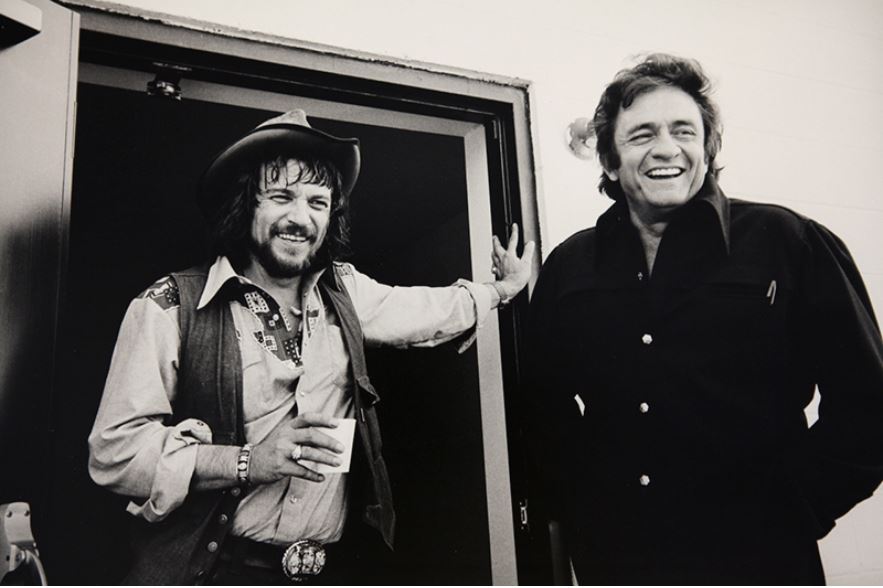
The Legendary Collaboration of Waylon Jennings and Johnny Cash
In the annals of country music history, few collaborations have resonated as powerfully as that between Waylon Jennings and Johnny Cash. Their 1978 hit, There Ain’t No Good Chain Gang, stands as a testament to the raw authenticity and compelling storytelling that defined the outlaw country movement. This track, written by Hal Bynum and Dave Kirby, exemplifies the seamless blending of Jennings’ rugged vocals and Cash’s iconic baritone, capturing the hardships and moral reflections of life behind bars.
The Origins of ‘There Ain’t No Good Chain Gang’
There Ain’t No Good Chain Gang was first released as the second single from Johnny Cash’s album I Would Like to See You Again, a record that further solidified Cash’s reputation for exploring human struggles with honesty and depth. The song’s narrative perspective, told from the viewpoint of a prison inmate, delves into themes of accountability, camaraderie, and the harsh realities of incarceration. It is this intimate storytelling, combined with the emotional gravitas of Jennings and Cash, that has made the song endure as a classic in American country music.
Chart-Topping Success and Cultural Impact
Upon its release in May 1978, There Ain’t No Good Chain Gang achieved remarkable commercial success, climbing to No. 2 on the Billboard Hot Country Singles chart. The collaboration was lauded not only for its musical composition but also for its authentic portrayal of life’s moral dilemmas, resonating with audiences who connected with the song’s poignant narrative. Beyond its chart performance, the track became emblematic of the outlaw country movement, a subgenre that emphasized artistic freedom and personal storytelling, breaking away from Nashville’s highly commercialized sound.
Video
The Story Behind the Lyrics
The lyrics of There Ain’t No Good Chain Gang are more than mere storytelling; they are a window into the social and personal realities of the late 1970s. With lines reflecting hardship, regret, and brotherhood, the song offers listeners a glimpse into the transformative power of reflection while facing adversity. Hal Bynum and Dave Kirby, the songwriters, infused the track with authentic imagery drawn from real-life experiences, ensuring that both Cash and Jennings could deliver performances imbued with sincerity and emotional resonance.
Recording and Musical Composition
The recording of the song was a masterclass in vocal harmony and musical synergy. Jennings’ textured, gritty voice paired flawlessly with Cash’s deep, resonant tones, creating a dynamic interplay that enhanced the narrative’s emotional depth. Instrumentation was carefully arranged to underscore the song’s storytelling, with the guitar, bass, and subtle percussion creating an atmosphere that mirrors the stark realities of prison life. This meticulous arrangement elevated the song from a mere collaboration to a defining moment in country music.
Legacy and Continued Relevance
Over four decades since its release, There Ain’t No Good Chain Gang remains an enduring piece of music history. It was later included in Cash and Jennings’ collaborative album Heroes (1986), further solidifying its status as a timeless classic. Its themes of reflection, hardship, and resilience continue to resonate with listeners, demonstrating the lasting power of authentic storytelling in music. The song is frequently cited by critics and fans alike as one of the most compelling examples of outlaw country’s narrative depth, showcasing the artistry and cultural impact of both Johnny Cash and Waylon Jennings.
Conclusion: An Iconic Outlaw Country Masterpiece
There Ain’t No Good Chain Gang is not just a song; it is a historical artifact that captures the essence of a transformative era in country music. The collaboration between Waylon Jennings and Johnny Cash transcended mere performance, creating a piece of art that speaks to human struggle, camaraderie, and redemption. Its enduring popularity and continued relevance underscore its place as a cornerstone of American music heritage, a testament to the unmatched storytelling prowess of two of country music’s most legendary figures.