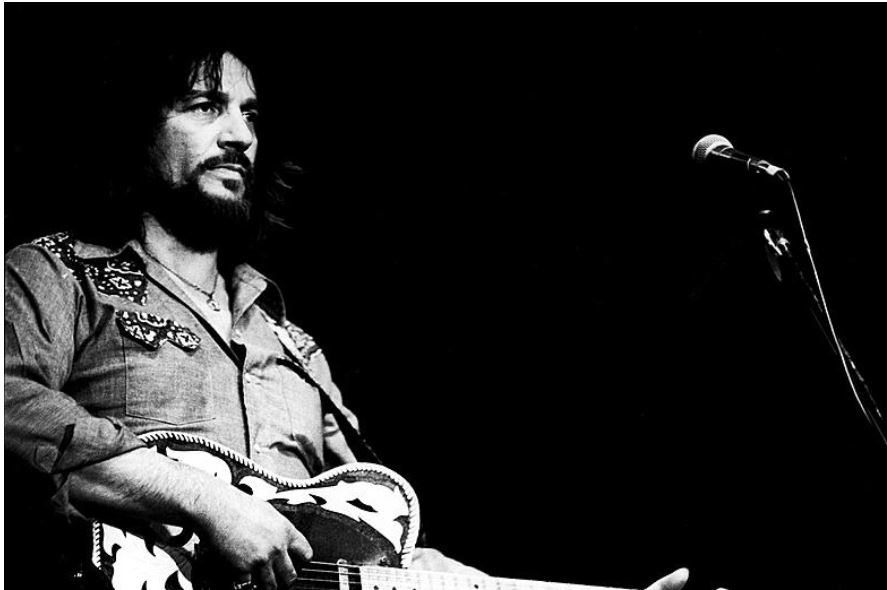
A Pivotal Moment in Outlaw Country History
Waylon Jennings’ 1975 track, High Time (You Quit Your Lowdown Ways), stands as a defining statement in the annals of Outlaw Country music. Emerging from the transformative Dreaming My Dreams album, the song encapsulates the tension between heartbreak and resilience, portraying a narrative of personal empowerment amidst emotional turmoil. Jennings’ unwavering vocal authenticity, coupled with his ability to channel raw human experience, renders this track a timeless emblem of country music defiance.
The song’s title itself functions as a metaphorical declaration, drawing a line in the sand that signals both an ending and a rebirth. Through High Time, Jennings articulates the precise moment when tolerance reaches its limit, offering listeners a masterclass in narrative-driven songwriting that balances sorrow and strength.
Emotional Honesty That Resonates Across Generations
At its core, High Time (You Quit Your Lowdown Ways) thrives on emotional transparency. Jennings’ performance eschews melodrama, instead relying on a seasoned, gravelly vocal delivery that communicates both vulnerability and authority. The lyrics convey a poignant narrative: recognizing the cost of continued emotional compromise and asserting personal boundaries. Lines such as “You’re the sweetest thing that I’ve ever found, but you’re always breakin’ my heart” encapsulate a universal struggle, positioning the listener directly within the emotional landscape of the song.
This narrative approach resonates because it is grounded in realism. Jennings does not romanticize heartbreak; he confronts it, crafting a musical catharsis that empowers listeners to recognize and honor their own limits. The song’s enduring appeal lies in this balance of intimacy and strength, a hallmark of Jennings’ legacy in shaping the Outlaw Country genre.
Video
Instrumental Brilliance and Production Mastery
From a musical standpoint, High Time exemplifies instrumental precision and outlaw authenticity. The track features driving rhythm guitars that anchor the composition, while subtle steel guitar inflections provide melodic depth and texture. The production, led by Jack Clement, emphasizes clarity and balance, allowing Jennings’ voice to dominate without overshadowing the intricate instrumental layers. The restrained yet expressive arrangement demonstrates an acute understanding of dynamic interplay between voice and instrumentation, creating a listening experience that is both immersive and emotionally resonant.
The interplay of instrumentation and lyrical content reinforces the song’s themes of assertion and liberation, making each chord and vocal inflection a deliberate statement. Listeners are not merely hearing a song; they are experiencing the culmination of Jennings’ artistic vision, meticulously realized through both compositional skill and production acumen.
Lyrical Themes: Boundaries, Resilience, and Self-Preservation
The lyrical content of High Time (You Quit Your Lowdown Ways) explores themes of self-preservation, emotional clarity, and personal empowerment. Jennings’ words confront betrayal and disappointment while advocating a stance of firm self-respect. The song’s narrative emphasizes the necessity of taking decisive action when circumstances demand it, a sentiment that is both personally relatable and culturally significant within the Outlaw Country movement.
The track functions as a sonic manifesto, underscoring the ethos of independence and defiance that defined Jennings’ career. Each verse contributes to a cohesive narrative that blends storytelling with moral assertion, rendering the song a blueprint for narrative integrity in country music songwriting.
Cultural and Historical Significance
Situated within the broader context of the Dreaming My Dreams album, High Time exemplifies Jennings’ skill in marrying personal storytelling with cultural resonance. The song reflects a period in which country music was expanding beyond formulaic constructs, embracing authenticity, and emotional honesty. Jennings’ willingness to confront personal and relational complexity resonates as a bold artistic statement, positioning him as a leading figure in the Outlaw Country movement.
The track also holds historical significance as part of a body of work that influenced subsequent generations of artists. By challenging traditional conventions of sentimentality and lyrical restraint, Jennings paved the way for a more nuanced, expressive, and emotionally intelligent approach to country music. High Time remains a benchmark for artistic courage and narrative sophistication.
Enduring Legacy and Modern Relevance

Decades after its release, High Time (You Quit Your Lowdown Ways) continues to captivate listeners and influence musicians. Its combination of lyrical authenticity, emotional depth, and musical craftsmanship ensures its relevance in contemporary discussions of country music history. For fans, scholars, and aspiring artists alike, the track serves as a masterclass in storytelling, vocal expression, and genre-defining musicality.
Jennings’ performance exemplifies how an artist can translate personal experience into universal resonance, affirming that music, when approached with honesty and craft, transcends time and cultural boundaries.
Waylon Jennings’ ‘High Time (You Quit Your Lowdown Ways)’ is not merely a song; it is a declaration of personal boundaries, a musical landmark, and an enduring testament to the power of authentic expression. Its careful construction, emotional gravity, and cultural significance ensure that it remains a central reference point for those seeking to understand the essence of Outlaw Country music and the enduring legacy of one of its most influential voices.