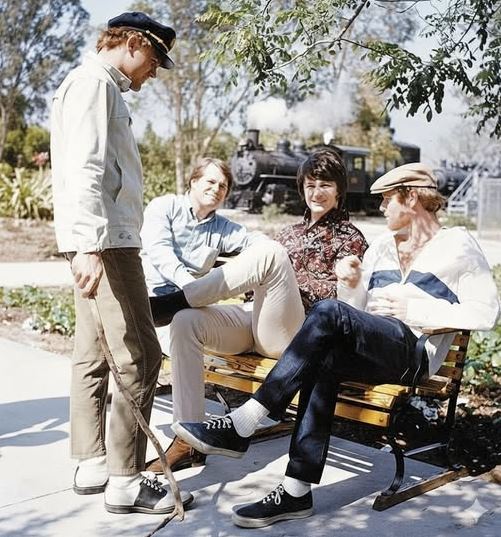
The Iconic Release of “Little Deuce Coupe”
“Little Deuce Coupe” is one of the most enduring songs by The Beach Boys, representing a seminal moment in 1960s American pop culture and rock ‘n’ roll history. Released in July 1963 as the B-side to “Surfer Girl”, the track quickly distinguished itself through its infectious energy and precise depiction of the California car culture that defined a generation. Written by Brian Wilson and Roger Christian, the song celebrates the 1932 Ford Coupe, a vehicle that became an enduring symbol of freedom, style, and rebellion among American youth. Despite its initial placement as a B-side, the song climbed to #15 on the Billboard Hot 100, reflecting its immediate resonance with fans and radio audiences alike.
Recording and Production Details
The recording of “Little Deuce Coupe” took place on June 12, 1963, at the legendary Western Studios in Los Angeles. The lineup featured Brian, Carl, and Dennis Wilson, alongside Mike Love and David Marks, while Al Jardine was temporarily absent. The song is notable for its upbeat tempo and jangly guitar riffs delivered by Carl Wilson, paired with Hal Blaine’s precise drum patterns, which drive the track forward with a compelling rock ‘n’ roll rhythm. Brian Wilson’s production emphasized tight vocal harmonies and clear instrumentation, creating a sound that became instantly recognizable as a signature of The Beach Boys’ early style. Every note, from the vibrant guitar licks to the layered vocal arrangements, was meticulously crafted to evoke the thrill of cruising in California during the surf and car culture heyday.
The 1963 Album: A Conceptual Milestone
Following the success of the single, “Little Deuce Coupe” became the title track of The Beach Boys’ fourth studio album, released on October 7, 1963. The album represents one of the earliest examples of a rock concept album, with every song centered on cars, cruising, and youthful adventure. This strategic focus capitalized on the hot rod craze that swept California, cementing The Beach Boys’ identity within surf and car subcultures. The album peaked at #4 on the Billboard 200 and was later certified platinum by the RIAA, underlining its commercial success and enduring popularity. Each track complements the overarching theme, blending the thrill of speed, style, and personal expression into a cohesive musical narrative that remains influential decades later.
Video
Cultural and Historical Significance
“Little Deuce Coupe” transcends its status as a mere pop hit to become a cultural artifact, reflecting the aspirations and lifestyle of American youth in the 1960s. The song immortalized the 1932 Ford Coupe, reinforcing its status as a cultural icon and inspiring countless car enthusiasts to celebrate vintage automobiles. It also influenced other artists and cover bands, including The Rip Chords, who paid homage to its infectious energy. The track’s depiction of cruising, freedom, and personal expression captures a unique period in American history, evoking the sun-soaked streets of California where surf music, cars, and youth rebellion converged.
Musical Composition and Lyrics Analysis
The lyrics of “Little Deuce Coupe” are deceptively simple but loaded with cultural significance. The song details the modifications, performance, and style of the Little Deuce Coupe, highlighting the pride and identity tied to car ownership. Musically, the track is built on a rock ‘n’ roll framework, combining up-tempo rhythms, catchy hooks, and intricate vocal harmonies. Carl Wilson’s guitar work provides melodic riffs, while Hal Blaine’s drums ensure a driving beat that mirrors the sensation of speed and movement. The interplay between the lyrics and instrumentation creates a sonic representation of youth culture, where the car becomes a symbol of autonomy, style, and social status.
Enduring Legacy and Influence
Over the decades, “Little Deuce Coupe” has maintained its cultural relevance, remaining a staple of oldies radio playlists and classic rock compilations. Its celebration of California car culture influenced not only musicians but also filmmakers, advertisers, and automotive enthusiasts who seek to capture the spirit of the 1960s. The song’s legacy is cemented by its role in defining The Beach Boys’ identity, combining the exuberance of surf music with the passion for automobiles that characterized the era. Its continuing popularity underscores the timeless appeal of carefully crafted melodies, detailed storytelling, and cultural resonance, making it a definitive example of music that bridges generations.
Conclusion: The Timeless Appeal of “Little Deuce Coupe”
“Little Deuce Coupe” remains an enduring emblem of 1960s American youth culture, surf music, and hot rod enthusiasm. Its detailed portrayal of the 1932 Ford Coupe, combined with exceptional musical composition, tight harmonies, and strategic album placement, ensures that it is not only a song but a historical touchstone for enthusiasts of rock, cars, and American pop culture. By celebrating freedom, style, and youthful rebellion, the track continues to inspire new generations, proving that classic rock and car culture are inseparable components of America’s cultural fabric.