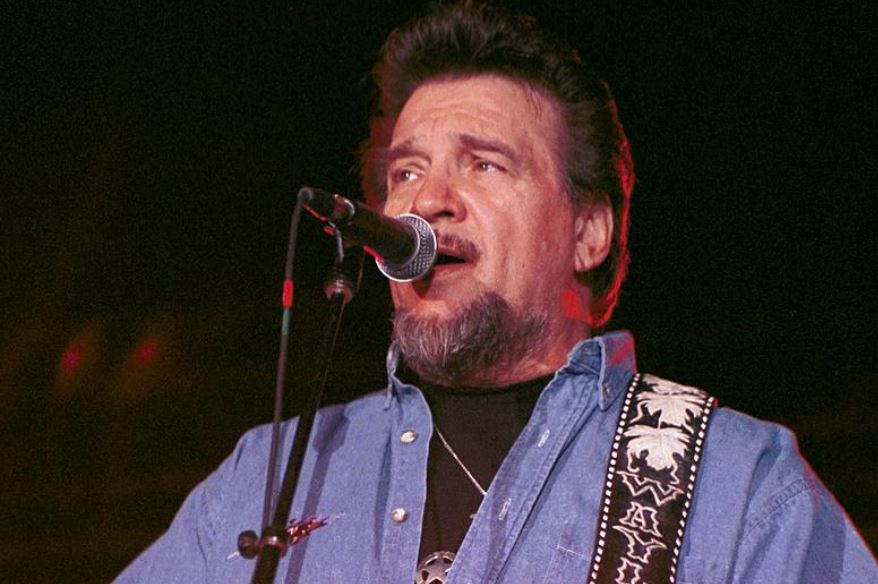
Introduction: A Timeless Country Masterpiece
Waylon Jennings’ “The Eagle” stands as one of the most iconic anthems of freedom and rebellion in the landscape of classic country music. Released as the title track of his 1990 album, the song captures the very essence of Jennings’ outlaw persona—untamed, independent, and defiantly individualistic. From the first note, the listener is transported into a world of vast open skies and unbound landscapes, a hallmark of Jennings’ evocative storytelling. This track is not merely a song; it is a declaration of identity, a celebration of personal liberty, and a musical embodiment of the outlaw spirit.
Musical Composition: Soaring Melodies and Rock-Infused Country
Musically, “The Eagle” fuses traditional country instrumentation with a subtle rock edge, creating a sound that is both grounded and electrifying. The opening melody immediately evokes imagery of flight and freedom, while the arrangement of electric guitars, tight rhythm sections, and melodic leads gives the song an energy reminiscent of wings cutting through the air. Jennings’ baritone voice carries every word with authority, resilience, and authenticity. Unlike overproduced tracks that dilute emotional impact, the raw, honest production of this track allows Jennings’ narrative to soar without compromise. The interplay between acoustic foundations and electric flourishes reflects a careful balance, demonstrating Jennings’ mastery in bridging the traditional and the modern.
Lyrical Brilliance: Freedom, Identity, and Rebellion
At its lyrical core, “The Eagle” is an anthem of defiance and self-determination. Jennings draws a parallel between the majesty of the eagle and his own personal ethos. Each line communicates a powerful message about resisting conformity, embracing inner strength, and staying true to oneself amidst societal pressures. The narrator embodies the eagle—wild, untouchable, and unwilling to be caged—a metaphor for Jennings’ own life as a pioneer of the outlaw country movement. The lyrics transcend mere storytelling; they act as a call to listeners who seek autonomy, personal authenticity, and courage to chart their own course. Themes of independence, pride, and resilience permeate every verse, establishing the track as both a personal memoir and a universal message.
Cultural Significance: Outlaw Spirit and Legacy
Waylon Jennings was a key figure in the outlaw country movement, a subgenre that rejected the polished Nashville sound in favor of raw, honest, and emotionally-driven music. “The Eagle” exemplifies this ethos perfectly. It reflects Jennings’ lifelong commitment to authenticity and artistic integrity, resonating with fans who identified with rebellion against societal constraints and the desire to live life on one’s own terms. The track also underscores Jennings’ influence on subsequent generations of country artists, demonstrating that music can be both deeply personal and culturally transformative. By embracing themes of freedom, courage, and self-expression, Jennings secured a lasting place in country music history, with “The Eagle” serving as a quintessential example of his artistic vision.
Instrumentation and Vocal Delivery: Crafting a Lasting Impact
One of the most striking elements of “The Eagle” is its seamless blend of instrumentation and vocal delivery. The song’s electric guitar licks, layered harmonies, and rhythmic drive provide a dynamic soundscape that mirrors the flight of the eagle itself. Jennings’ voice—deep, resonant, and unwavering—imparts a sense of strength and authenticity, allowing the listener to feel the narrative rather than merely hear it. The production emphasizes clarity and precision without sacrificing raw emotion, creating a musical experience that is both immersive and enduring.
Conclusion: A Symbol of Timeless Freedom
“The Eagle” by Waylon Jennings remains a powerful anthem of freedom, rebellion, and unwavering individuality. Through its masterful combination of evocative lyrics, soaring melodies, and authentic instrumentation, the song captures the essence of Jennings’ outlaw persona. It speaks to anyone who has ever sought to rise above conformity, embrace personal strength, and live life on their own terms. More than just a track in Jennings’ discography, “The Eagle” endures as a symbol of timeless freedom, a musical celebration of courage, and a definitive statement of classic country excellence.
This anthem continues to inspire, reminding listeners that true freedom begins within, and that the spirit of independence, like the eagle itself, never truly lands—it flies.