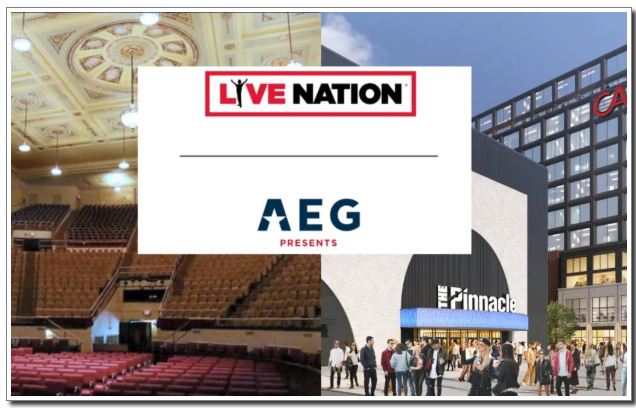
The landscape of live music in the United States is undergoing a seismic shift as major concert promoters AEG and Live Nation aggressively expand into the mid-sized venue market. Traditionally, mid-sized independent venues—ranging from 1,800 to 4,500 seats—have been the backbone of the local music ecosystem. These spaces have nurtured emerging talent, provided essential performance opportunities, and cultivated intimate fan experiences. However, the growing presence of corporate promoters is fundamentally altering this dynamic, presenting both opportunities and challenges for artists, fans, and independent venue owners alike.
Live Nation’s Billion-Dollar Expansion into Mid-Sized Markets
Live Nation, a titan in the global live entertainment industry, has embarked on a substantial $1 billion investment strategy to develop and operate mid-sized venues across 18 U.S. markets. Cities such as Atlanta, Nashville, and Allentown are among the strategic locations targeted for these expansions. The move signals a deliberate push into spaces historically dominated by local, independently operated venues.
By leveraging their financial muscle and extensive network, Live Nation can provide artists with access to state-of-the-art facilities, large-scale marketing, and ticketing infrastructure. For artists, this translates into higher visibility, broader audience reach, and potentially increased revenue streams. However, this same expansion also places considerable pressure on independent operators who lack the capital and corporate connections to compete effectively.
AEG’s Strategic Entry into Independent Venue Territories
AEG mirrors Live Nation’s approach with targeted acquisitions and developments in the mid-sized venue segment. Notable projects include The Pinnacle in Nashville (4,500 capacity), The Eastern in Atlanta (2,300 capacity), and Mission Ballroom in Denver (4,000 capacity). These venues are designed to accommodate a growing demand for live entertainment while providing the corporate promoter’s hallmark advantages: advanced acoustics, modern amenities, and integrated marketing campaigns.
While these developments represent significant opportunities for high-profile touring acts and festival organizers, independent venues face existential threats. Many local operators are struggling to maintain profitability amid corporate competition, and some have already shuttered due to unsustainable operational pressures.
Impact on Independent Venue Operators
Independent mid-sized venues historically functioned as incubators for emerging artists. They provided unique experiences that fostered community engagement and intimate fan interactions. However, with AEG and Live Nation consolidating mid-sized spaces under their control, the landscape is rapidly shifting.
A notable example is Temple Live, which operated historic Masonic halls across the Midwest. Despite its reputation and community significance, Temple Live was forced to close due to corporate competition, restrictive ticketing systems, and the high barriers independent venues face when competing against industry giants. Lance Beaty, CEO of Beaty Capital Group and owner of Temple Live, underscores the structural disadvantage independent operators face: “We are simply an outsider in an insider’s business. No matter how much money you throw at it or how creative you think you are, if you’re not on the inside, you’re not in.”
This trend is not isolated. Across the country, independent venue operators are grappling with challenges including escalating rent costs, ticketing platform limitations, and diminishing artist bookings as corporate promoters expand their reach.
Consequences for Artists and Fans
For artists, particularly emerging acts, the increasing corporate footprint presents both opportunities and constraints. On one hand, access to professionally managed mid-sized venues means exposure to larger audiences, superior production resources, and the potential for lucrative touring contracts. On the other hand, competition for slots in these venues is fierce, often favoring established artists with proven track records, leaving grassroots talent at a disadvantage.
Fans may experience mixed consequences as well. While enhanced amenities, improved seating, and state-of-the-art sound systems are attractive, the personalized and community-oriented experience of independent venues may be diminished. Ticket pricing is likely to increase as corporate promoters aim to maximize profitability, potentially creating barriers for long-time fans who relied on the affordability of local venues.
Navigating the New Music Venue Ecosystem
The expansion of AEG and Live Nation necessitates strategic planning from artists, fans, and independent venue operators. Artists must carefully evaluate booking opportunities, balancing the benefits of corporate venues with the value of maintaining strong grassroots connections. Fans should anticipate potential changes in ticketing structures and pricing while seeking out remaining independent venues to preserve the intimate live music experience. Independent operators may need to innovate, exploring unique programming, community engagement, and niche marketing strategies to remain viable.
Looking Ahead
The corporate encroachment into mid-sized independent venues marks a turning point in the live music industry. AEG and Live Nation’s dominance is poised to reshape the market, redefine artist access, and alter the fan experience. While this evolution brings technological advancements and expanded reach, it also challenges the cultural fabric that independent venues have historically upheld.
As the live music ecosystem evolves, understanding these dynamics is crucial. Artists, fans, and venue operators must adapt to maintain vibrant local scenes, sustain emerging talent, and ensure that the rich diversity of live music continues to thrive amidst corporate consolidation.
In summary, the aggressive expansion of AEG and Live Nation into mid-sized venues underscores the tension between corporate growth and independent survival. This shift affects every stakeholder—from emerging artists seeking exposure, to fans seeking authentic experiences, to venue operators striving to maintain community roots. Awareness, adaptation, and strategic engagement are essential for navigating this transformative era in live music.