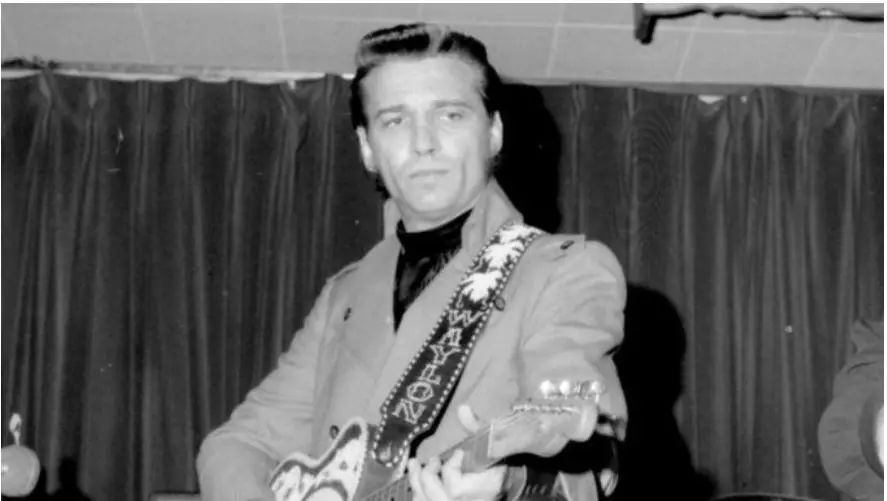
Waylon Jennings, a legendary figure in the history of country music, began his monumental journey into the world of recording with a single song that would quietly lay the foundation for his iconic career. That song was “Jole Blon”, a track steeped in tradition yet executed with the raw authenticity that would later define Jennings as one of the pioneers of the Outlaw Country movement. Released in the late 1950s, this debut single marked not just a starting point for Jennings but a significant moment in the evolution of American country music.
The Origins of “Jole Blon”
“Jole Blon” is a traditional Cajun ballad, often hailed as the Cajun national anthem. Its roots trace back to Louisiana’s rich Cajun culture, where music served as both storytelling and cultural preservation. By choosing this song for his first recording, Jennings immediately demonstrated a deep respect for musical heritage. Unlike the mainstream country music of the 1950s, which leaned toward polished production and pop sensibilities, Jennings’ version embraced a rustic, heartfelt authenticity.
At the time, Jennings’ voice was still developing, carrying a natural rawness that lent itself perfectly to the emotional weight of the song. The instrumentation of the track was sparse yet effective, featuring acoustic guitar as the backbone and subtle backing arrangements that complemented Jennings’ vocal delivery without overshadowing it. This simplicity highlighted the emotional resonance of the song, making the listener focus on the story and feeling behind the music.
Buddy Holly’s Influence on Jennings’ Early Career
A crucial element in the creation of Jennings’ first recording was the guidance of Buddy Holly, the rock and roll legend who recognized Jennings’ potential early on. Holly played a mentorship role, influencing the production approach and offering insight into studio techniques. This early collaboration provided Jennings with invaluable experience, shaping his understanding of recording processes and the nuances of musical expression.
Buddy Holly’s support was instrumental in bridging Jennings’ raw talent with the technical demands of professional recording. The production style, while modest, captured the essence of Jennings’ voice and preserved the authenticity that would become his hallmark. This early exposure to professional recording standards laid the groundwork for Jennings’ future success, preparing him to navigate the music industry with both skill and originality.
The Musical and Cultural Significance of “Jole Blon”
“Jole Blon” is more than just a debut single—it is a cultural artifact. By recording a Cajun ballad, Jennings not only paid homage to a regional tradition but also expanded the horizons of country music at a time when the genre was heavily dominated by Nashville’s mainstream style. The track introduced a unique fusion of Cajun melody with early country sensibilities, signaling Jennings’ willingness to experiment and innovate within the genre.
The emotional depth of Jennings’ performance resonates with listeners even today. Unlike later recordings that feature full-band arrangements and polished production, this early track thrives on its simplicity, allowing Jennings’ storytelling abilities and expressive vocal style to take center stage. Each note carries a sense of sincerity and personal connection, showcasing the raw talent of an artist who would soon redefine the boundaries of country music.
Video
The Evolution of Jennings’ Sound
Analyzing “Jole Blon” offers critical insight into the evolution of Waylon Jennings’ sound. The raw, acoustic-driven style of his debut foreshadowed the gritty, rebellious tones that would characterize his later work. The track’s minimalistic instrumentation highlights Jennings’ emphasis on vocal expression and storytelling, elements that became central to his identity as a country music icon.
This recording also provides a lens into the early influences that shaped Jennings’ career, from the mentorship of Buddy Holly to his embrace of traditional Cajun melodies. By examining this debut, it becomes clear how Jennings’ early choices—song selection, vocal delivery, and production style—paved the way for the Outlaw Country revolution that he would later lead.
Legacy and Lasting Impact
The release of “Jole Blon” represents the first tangible step in Waylon Jennings’ legendary recording career. It is a testament to his authenticity, musical intuition, and willingness to embrace tradition while crafting a unique voice. The song remains a significant piece of Jennings’ discography, illustrating the humble beginnings of an artist who would go on to influence generations of country musicians.
For enthusiasts and historians alike, “Jole Blon” is not merely a debut—it is a cornerstone in understanding the development of one of country music’s most distinctive and enduring voices. The track encapsulates the raw emotion, cultural awareness, and pioneering spirit that define Jennings’ enduring legacy.
Waylon Jennings’ journey began with a single song, yet that song—“Jole Blon”—echoes through the annals of music history. It is a vivid reminder that great artists often start with humble, sincere beginnings, and from these foundations, they construct a legacy that transcends generations. For anyone exploring the roots of Outlaw Country or seeking to understand Jennings’ artistry, “Jole Blon” remains an essential starting point, a testament to the enduring power of authenticity in music.
This article provides a comprehensive exploration of Waylon Jennings’ first recording and the cultural, musical, and historical significance of “Jole Blon”, ensuring readers gain a deep understanding of both the song and its creator.