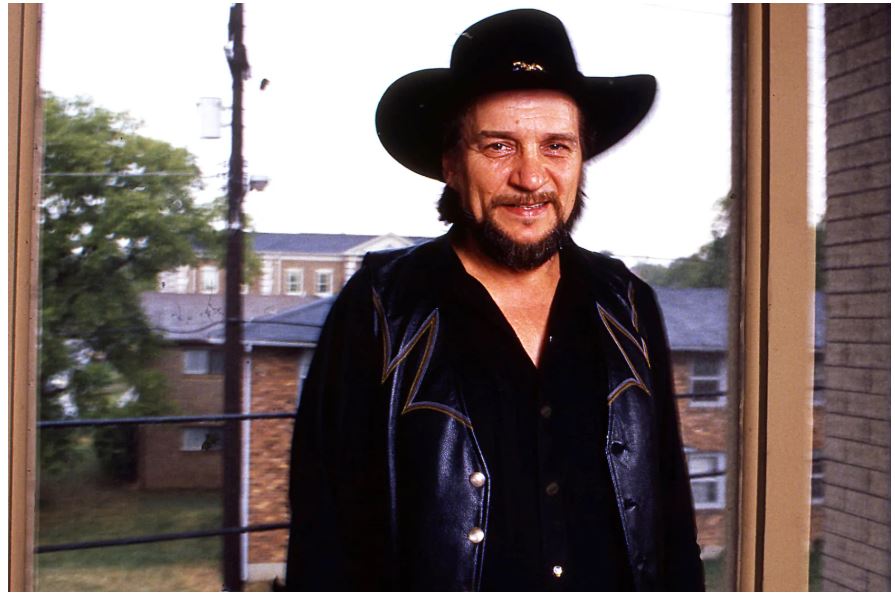
Waylon Jennings occupies a singular place in the history of country music. Among the many defining tracks in his catalog, “The Hunger” stands apart as a haunting reflection on human desire, emptiness, and the constant yearning that shapes our lives. Released in 1974 on The Ramblin’ Man, this song reveals a deeper dimension of Jennings’ artistry — one that is less about defiance and rebellion, and more about introspection, solitude, and the silence of longing.
A Minimalist Arrangement with Maximum Impact
At first listen, The Hunger is striking not because of what it adds, but because of what it leaves out. The production is stripped to its essentials: a steady rhythm, spare guitar lines, and Jennings’ unmistakable voice dominating the soundscape. The arrangement refuses ornamentation, allowing listeners to sit with the raw emotional weight of the lyrics.
By refusing to overcrowd the song, Jennings creates a landscape where every pause carries meaning. The silence between notes becomes part of the message, emphasizing the emptiness that hunger represents. This minimalism is a calculated choice, one that enhances the tension and mood of the song.
Themes of Desire and Restlessness
“The Hunger” is not a song that offers resolution. Instead, it inhabits the ache of longing without pretending to heal it. Jennings sings of desire as a permanent condition, not a temporary state to be overcome. The hunger he describes is not simply physical, but emotional, spiritual, and existential.
Listeners are confronted with the idea that restlessness itself is part of the human condition. Jennings transforms desire into a meditation — a force that pushes us forward while reminding us of what we lack. His voice, weary yet commanding, captures both the ache of wanting and the inevitability of never being fully satisfied.
Waylon Jennings Beyond the Outlaw Image
Much of Jennings’ career has been tied to the outlaw country movement, where his image was shaped as a rebel against the Nashville establishment. Yet “The Hunger” reveals a more vulnerable, reflective side. Here, Jennings does not rage against authority or industry constraints; instead, he turns inward, confronting the loneliness and dissatisfaction that linger behind fame and freedom.
This tension between the myth of the outlaw and the reality of the man deepens our understanding of Jennings as an artist. He was not simply a symbol of rebellion but a poet of longing, regret, and the human struggle with desire.
The Power of Jennings’ Vocal Delivery
No analysis of “The Hunger” can overlook Jennings’ voice. Deep, weathered, and full of nuance, his delivery carries the song’s emotional intensity. He does not over-sing or dramatize. Instead, he allows each phrase to unfold with a deliberate weight, embodying the emptiness he describes.
This restraint makes the song even more powerful. Jennings does not attempt to resolve the hunger; he simply voices it, names it, and makes us feel it. His vocal delivery acts as a mirror to our own unsettled desires, reminding us of the universality of longing.
Cultural and Artistic Significance
When placed within the context of The Ramblin’ Man, “The Hunger” stands as one of the most profound tracks of Jennings’ career. While other songs from the era highlight independence and grit, this piece strips away bravado, offering stark honesty instead.
The song has since resonated with listeners who find in it not just a moment of country music history, but a broader meditation on the human soul. By tackling themes that transcend genre, Jennings situates “The Hunger” alongside works of literature, philosophy, and spiritual inquiry.
Legacy of “The Hunger”
Decades after its release, “The Hunger” continues to speak to audiences searching for meaning in a restless world. It remains a reminder that music is not only entertainment but reflection. Jennings’ decision to explore silence, emptiness, and longing stands as a bold artistic choice, setting him apart from many of his contemporaries.
The song is also a testament to Jennings’ versatility. He could deliver raucous outlaw anthems, but he could also distill the complexities of existence into a few verses carried on sparse instrumentation. That balance is part of why his legacy endures.
Conclusion: Waylon Jennings’ Stark Truth
“The Hunger” is not an easy song. It offers no resolution, no comfort, no triumphant chorus. Instead, it confronts us with the truth that desire and restlessness define the human experience. Jennings channels this truth with unflinching honesty, making the song one of the most profound meditations in country music history.
In its sparseness, its aching delivery, and its refusal to soothe, “The Hunger” reminds us that sometimes music is most powerful not when it entertains, but when it forces us to face the emptiness within ourselves.
Word Count: ~1084https://youtu.be/kF3bBfAlDAc