Introduction to a Timeless Classic
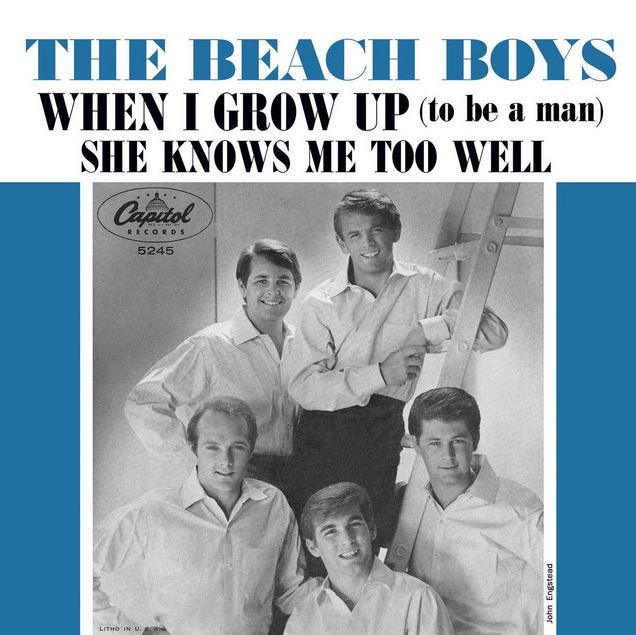
“When I Grow Up (To Be a Man)” by The Beach Boys stands as one of the most influential tracks of the 1960s, representing a pivotal moment in the evolution of pop music. Released on August 5, 1964, under Capitol Records, the single showcased the band’s transition from their signature surf rock sound to more introspective, emotionally complex themes. Written by Brian Wilson and Mike Love, this track was not merely a chart-topping hit—it became a cultural touchstone that resonated with teenagers confronting the uncertainty of adulthood. Peaking at #9 on the Billboard Hot 100 and reaching #27 in the UK charts, the song’s success highlighted The Beach Boys’ emerging sophistication as songwriters and producers.
The Songwriting Genius of Brian Wilson and Mike Love
At the core of “When I Grow Up (To Be a Man)” lies the masterful collaboration between Brian Wilson and Mike Love. Brian Wilson, already recognized as a prodigious musical talent, infused the track with innovative harmonies, intricate arrangements, and a harpsichord riff that distinguished it from conventional pop songs of its time. Mike Love contributed lyrics that captured the universal teenage anxiety about growing up, facing responsibility, and understanding one’s place in the adult world. The combination of reflective lyricism and complex musical structures marked a departure from the band’s earlier work, which focused primarily on surfing, cars, and carefree youth.
Recording and Musical Composition
The recording process of “When I Grow Up (To Be a Man)” exemplifies the high standards of 1960s pop production. The track featured contributions from the Wrecking Crew, including Hal Blaine on drums and Carol Kaye on bass, musicians renowned for their precision and creativity. Brian Wilson’s lead vocal, complemented by Mike Love’s harmonies, conveyed a blend of youthful vulnerability and mature introspection, while the band’s layered harmonies added emotional depth. The harpsichord riff, a unique element for its time, added a textural complexity that elevated the song beyond a simple pop tune. Every aspect of the arrangement, from rhythm section to vocal layering, was meticulously crafted to evoke the emotional nuances of adolescence.
Cultural and Historical Significance
“When I Grow Up (To Be a Man)” was released at a moment when teenagers were increasingly recognized as a distinct cultural demographic. The song’s themes of anticipation, uncertainty, and personal growth resonated deeply with young audiences navigating the transition from adolescence to adulthood. Unlike prior Beach Boys hits, which celebrated carefree pleasures of surf culture, this track confronted the psychological challenges of growing up, setting a precedent for pop music to explore introspective themes. Its influence extended beyond its initial release, inspiring artists across pop, folk, and rock genres to engage with more reflective, narrative-driven songwriting.
Influence on The Beach Boys’ Evolution
This track marked a turning point in The Beach Boys’ career, demonstrating Brian Wilson’s interest in more sophisticated musical arrangements and lyrical depth. Recorded as the first song for their album “The Beach Boys Today!”, it signaled a move towards albums as cohesive artistic statements rather than mere collections of singles. The track’s emotional complexity foreshadowed the innovative approaches Wilson would later explore in albums like “Pet Sounds”. Its combination of catchy melodies, intricate harmonies, and profound lyrics illustrated the band’s ability to balance commercial appeal with artistic ambition.
Enduring Legacy and Covers
Over the decades, “When I Grow Up (To Be a Man)” has maintained its relevance both musically and culturally. The song has been covered by numerous artists, including The Manhattan Transfer, reaffirming its status as a classic of introspective pop music. Its exploration of adolescence continues to resonate, making it a touchstone for generational reflection and a benchmark for narrative-driven songwriting. For collectors and enthusiasts, the 7″ single, featuring “She Knows Me Too Well” as its B-side, remains a highly sought-after item on platforms such as eBay and Discogs.
Conclusion: A Masterpiece of Pop and Reflection
“When I Grow Up (To Be a Man)” is far more than a chart-topping hit—it is a milestone in the history of pop music. By combining Brian Wilson’s compositional brilliance with Mike Love’s insightful lyricism, The Beach Boys created a song that transcends time, capturing the emotional landscape of adolescence with unparalleled clarity. Its influence on both contemporary and future artists underscores its importance as a cultural and musical landmark, solidifying The Beach Boys’ legacy as innovators who pushed the boundaries of what pop music could convey.
https://youtu.be/vOuobmp1118